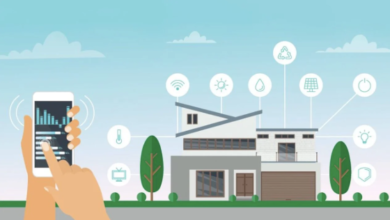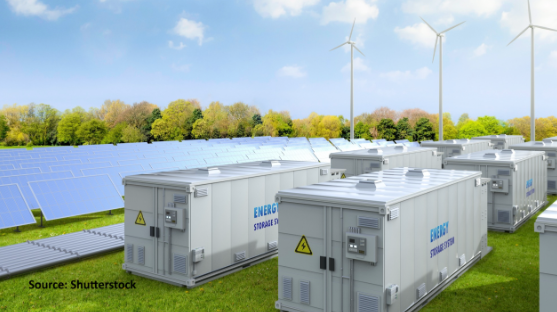
Energy storage technology trends show a convergence of cheaper, longer-lasting hardware with modular architectures and smarter interfaces. Data forecasts indicate sustained demand, rapid market velocity, and policy signals that reduce deployment risk. Advances in chemistries and scalable systems push higher energy density, longer cycle life, and improved safety. Integration with renewables hinges on ancillary services, peak shaving, and interoperable standards. Stakeholders across regulation and finance are aligning to broaden investment and grid resilience, inviting careful scrutiny of deployment pathways.
What Energy Storage Gets Right Now: Market Trends and Drivers
Energy storage markets are increasingly defined by a convergence of economic signals, policy incentives, and grid modernization needs that together drive scale and deployment velocity.
Analysts note storage economics improving with declining hardware costs, longer cycle life, and optimized asset models.
Grid integration benefits include ancillary services, peak-shaving, and reliability uplifts, while data-driven forecasts project sustained demand growth and investment alignment.
Navigating New Chemistries and Tech Breakthroughs
As the storage landscape evolves, the pursuit of higher energy density, longer cycle life, and lower cost per kilowatt-hour is increasingly defined by breakthroughs in chemistries and novel architectures.
The discourse centers on molecular breakthroughs and chemistries evolutions, exploring scalable interfaces and safety protocols.
Data-driven assessments anticipate accelerated adoption of solid-state blends, redox couples, and modular architectures enabling resilient, flexible energy storage deployments.
Costs, Performance, and the Economics of Deployment
Costs, performance metrics, and deployment economics frame the near- and mid-term viability of storage systems amid evolving chemistries and modular architectures. Narrowing emphasis on costs and performance guides capital planning, while economics of deployment and policy influence project risk, financing, and market formation. Data-driven projections indicate decarbonization gains, while policy signals shape adoption pace and standardization for scalable, freedom-oriented electrified grids.
Integrating Storage With Renewables and the Grid: Policy, Standards, and Planning
How can policy, standards, and planning advances align storage deployment with renewable generation and grid reliability objectives? Data-driven analyses reveal evolving policy gaps and funding signals shaping deployment tempo. Standards alignment reduces interoperability risk, while planning horizons enable forecasted siting and operational flexibility. This approach strengthens grid resilience, accelerates integration, and clarifies roles for stakeholders across markets, technologies, and regulatory environments.
Frequently Asked Questions
How Can Storage Lifespan Be Reliably Predicted Across Projects?
Predictive degradation models, anchored by standardized data interoperability, enable cross-project lifespan forecasts. By aggregating sensor histories, cycle counts, and environmental factors, stakeholders derive reproducible trajectories, supporting decision-making with transparent, scalable, forward-looking reliability assessments across diverse energy storage deployments.
What Are Emerging Safety Standards for Large-Scale Storage Systems?
Emerging standards emphasize rigorous safety testing, with early adopters noting a 28% reduction in incident recurrence. These emerging standards guide large-scale storage, prioritizing fire, thermal runaway, and enclosure integrity, while safety testing validates performance under diverse, real-world conditions for freedom-minded engineers.
Which Financing Models Best Fit Long-Duration Storage Pilots?
Financing models for long-duration pilots favor revenue-backed, performance-based structures tied to reliability metrics and lifespan prediction; large-scale systems require safety standards alignment, grid resilience gains, and maintenance cost projections to manage aging deployments amid extreme events.
How Will Storage Affect Grid Resilience During Extreme Events?
Like a shield forged in data, storage enhances resilience. It improves storage reliability and grid redundancy, enabling rapid response to outages and extreme events, supporting looped power supply, localized autonomy, and faster recovery across stressed grids.
See also: hd-hub4u
What Are the Hidden Maintenance Costs of Aging Deployments?
Hidden costs arise from aging deployments, increasing risk of failures and degraded performance. The analysis supports proactive risk management and maintenance budgeting, forecasting spare parts, technician cadence, and remote diagnostics to optimize lifecycle economics for freedom-minded operators.
Conclusion
The analysis identifies a trajectory toward cheaper, longer-lasting storage guided by modular architectures and smarter controls. Market drivers include rapid capacity additions, higher energy density chemistries, and data-informed prognostics that optimize lifecycle value. Deployment economics improve through scale, improved safety standards, and policy alignment with renewables integration. Looking ahead, grid resilience hinges on interoperable interfaces and proactive risk management; by 2035, even hardware will feel like a comet—outdated before it lands, a time-jewelled anachronism in a streamed, silicon-forward world.