Energy-efficient smart devices blend optimized silicon, low-leakage circuits, and agile sleep cycles to cut idle power without compromising performance. Centralized orchestration aligns wake patterns with user behavior and grid signals, while data-driven benchmarks set real-world targets. Standardized interfaces and modular components enable scalable lifecycles and transparent supplier practices. This disciplined approach yields measurable savings across homes, yet practical implementation raises questions about retrofit paths and performance trade-offs that warrant careful consideration.
What Makes Energy-Efficient Devices Tick
Energy-efficient devices optimize energy use through a combination of hardware design, software control, and compliance with established standards. The analysis centers on measurable efficiency metrics, silicon efficiency, and predictable power states. Sleep mode transitions, low-leakage circuits, and duty cycling reduce idle consumption. Data-driven testing benchmarks establish targets, while modular software enables adaptive performance without compromising safety, reliability, or user autonomy.
Smart Home Tech That Slashes Power Use
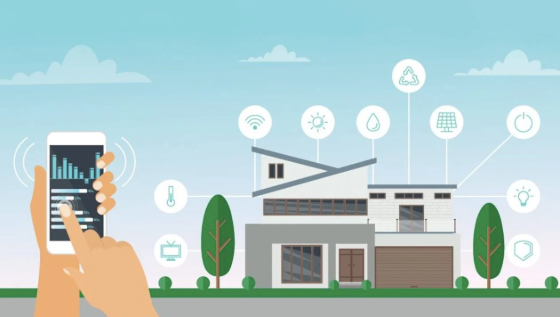
Smart home ecosystems cut overall power draw by leveraging coordinated hardware efficiencies, intelligent software control, and adherence to energy standards. System designers emphasize low power sensors and sleep mode optimization, enabling devices to enter ambient states during inactivity. Data shows measurable reductions in idle consumption, with centralized orchestration aligning device wake cycles to user patterns and grid signals, boosting overall efficiency.
How to Choose Efficient Devices for Your Space
Selecting devices that minimize long-term energy use begins with clear criteria grounded in measured performance, standardized efficiency ratings, and real-world operating conditions.
Effective device selection relies on quantified energy savings, lifecycle cost analyses, and compatibility with existing systems.
Prioritizing modularity, manufacturer transparency, and verified standby power reductions yields practical, standards-aligned choices that empower freedom through informed, efficient space optimization.
Retrofit Roadmap: Simple, Practical Upgrades for Real Savings
Can modest upgrades deliver measurable savings? A retrofit roadmap outlines retrofit basics and prioritizes where small changes yield large payoffs. Concrete steps target HVAC, controls, lighting, and insulation, aligned with standards and performance benchmarks.
Cost saving metrics combine upfront cost, energy reductions, and maintenance gains. Practically, the plan emphasizes verifiable savings, risk reduction, and scalable fixes for flexible, freedom-loving users.
Frequently Asked Questions
How Soon Will I See Savings After Upgrading Devices?
Answer: Savings appear after a payoff period tied to energy reductions; upfront costs influence the ROI timeline, which varies by device and usage. The perspective quantifies payback, benchmarking against standards and practical optimization for freedom-oriented households.
Do Energy-Efficient Devices Require More Maintenance Than Standard Ones?
No, energy-efficient devices do not inherently require more maintenance than standard ones; maintenance considerations often decrease due to fewer moving parts and longer intervals, though retrofit tradeoffs may introduce initial checks. The data-driven approach supports practical optimization and standards.
Can Smart Devices Lower Electricity Bills for Rental Properties?
Smart devices can reduce electricity bills for rental properties by enabling precise usage and scheduling, though initial costs and maintenance tradeoffs must be weighed; data suggests long-term cost savings outweigh upfront investments when managed with standards-focused practices.
Are There Hidden Costs to Running Energy-Efficient Appliances?
Hidden costs haunt some high-efficiency options, though prudent planning minimizes them. This analysis notes operation amortization varies by usage, appliance, and energy rates; data-driven decisions reduce risk and support practical, standards-focused, freedom-loving property optimization.
See also: Energy Storage Technology Trends
Do Warranties Cover Energy-Related Upgrades and Retrofits?
Warranties typically do not universally cover energy-related upgrades; coverage depends on policy details. This analysis assesses warranty scope and retrofit eligibility, noting that some manufacturers restrict retrofits, while others offer add-ons or energy-efficiency endorsements, aligning with practical-optimizing standards.
Conclusion
In a quiet convergence of datasheets and daily living, energy-efficient devices align with user routines like synchronized clocks. Benchmarked power profiles meet real-world loads, while sleep transitions and duty cycling harmonize with grid signals we ignore at first glance. Centralized orchestration nudges wake cycles to patterns observed in households, and modular components reveal cost-friendly lifecycles. The coincidence of standards, silicon efficiency, and transparent manufacturers forms a practical roadmap where small upgrades yield measurable, scalable savings.