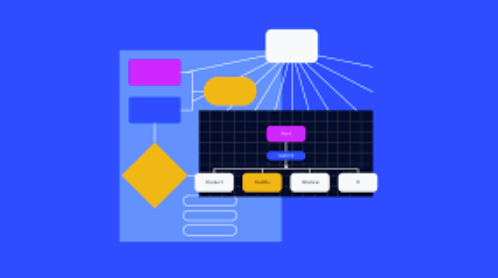
Enterprise workflow systems coordinate tasks, data, and people across functions to streamline processes and preserve data lineage. They emphasize governance, security, and standards-driven decision making while enabling scalable interoperability. The focus is on balancing disciplined control with room to innovate, aligning technology with people and processes. As organizations consider platforms, questions about governance models, ROI, and adoption dynamics linger, inviting exploration of how these systems transform collaboration and sustained value realization.
What Enterprise Workflow Systems Do for You
Enterprise workflow systems streamline organizational processes by coordinating tasks, data, and people across departments. They enable orchestrated automation patterns that reduce manual steps while preserving control and adaptability. Data lineage is preserved, ensuring traceability from inputs to outcomes. The approach supports strategic visibility, standards-driven governance, and scalable growth, empowering an organization to innovate with disciplined freedom and measurable, value-focused outcomes.
Choosing the Right Platform for Your Organization
Choosing the right platform for an organization requires a holistic assessment of capabilities, alignment with governance standards, and a clear view of how the system will scale across departments.
The selection emphasizes process integration and data governance, prioritizing interoperability, architecture resilience, and long-term adaptability.
A standards-driven lens helps balance freedom with accountability, guiding a platform that sustains collaboration, analytics, and evolving operational goals.
Governance, Security, and Compliance in Workflows
Governance, security, and compliance in workflows demand a holistic, standards-driven approach that aligns policy with process. This perspective emphasizes governance frameworks as scaffolding for accountability and risk management, while security analytics continuously illuminate threats and potential failures.
Driving Adoption and Real‑World ROI With Workflows
Driving adoption and delivering measurable ROI with workflows requires a strategic alignment of people, processes, and technology. Organizations cultivate adoption metrics through transparent governance, iterative piloting, and cross‑functional ownership, translating practices into reliable performance signals. ROI storytelling communicates value across stakeholders, linking outcomes to standards, data quality, and efficiency gains. A freedom‑minded approach emphasizes measurable progress, continuous improvement, and scalable, sustainable workflow adoption.
Frequently Asked Questions
How Do Workflows Integrate With Legacy On-Prem Systems?
Integration challenges arise as legacy connectors bridge on-prem systems with modern workflows, demanding robust data lineage, security orchestration, and governance. A holistic, standards-driven strategy enables freedom while ensuring reliable, secure, and scalable cross-environment workflow integration.
What Is the Typical Implementation Timeline Across Industries?
Implementation timelines vary, but generally align with cross industry benchmarks; trajectories span months to a couple of years, guided by standards-driven, holistic planning. The audience seeking freedom benefits from transparent, strategic roadmaps and realistic cross industry benchmarks.
How Do You Measure User Adoption Beyond Adoption Rates?
Measuring user adoption beyond adoption rates involves evaluating workflow engagement and user behavior analytics to gauge meaningful usage, strategic alignment, and continuous improvement, reflecting holistic, standards-driven insights that empower freedom-seeking stakeholders to optimize processes and outcomes.
See also:Energy Storage Technology Trends
What Are Hidden Costs Not Covered in ROI Calculations?
Hidden costs and ROI gaps emerge when unseen frictions accrue, eroding value. The detached evaluator notes continuous alignment, governance, and training as essential investments, ensuring holistic benefits, standards-driven progress, and strategic freedom within enterprise workflows.
How Do Workflows Impact Data Governance Beyond Compliance Basics?
Workflows strengthen data governance by clarifying data lineage and data ownership, enabling holistic, standards-driven decisions; they align freedom with accountability, ensuring strategic stewardship, consistent policies, and auditable flows that support proactive risk management beyond basic compliance.
Conclusion
Enterprise workflow systems knit people, processes, and data into a cohesive operating fabric. They balance governance with innovation, ensuring standards-driven decision-making and resilient architecture. A bank reduced cycle times by 40% after harmonizing cross‑department workflows, illustrating how orchestrated processes unlock measurable value at scale. When organizations align policy, security, and adoption metrics, workflows become a compass for strategic execution, not just automation. The result: continuous improvement, traceable data lineage, and sustainable ROI across the enterprise.