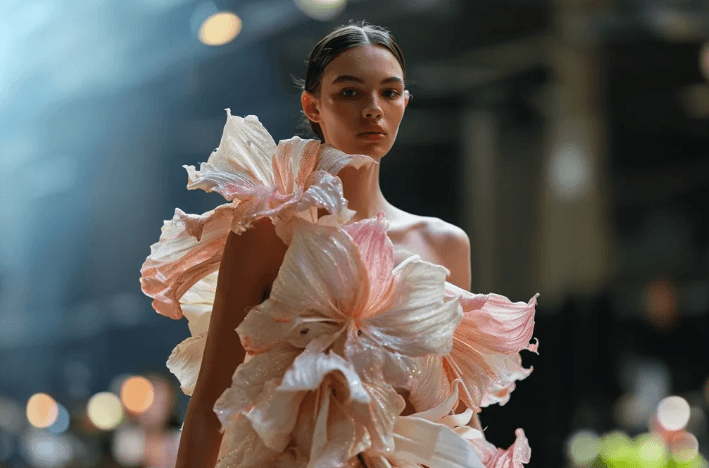
AI-generated fashion designs currently blend algorithmic sketching with production-ready patterns, accelerating prototyping while testing new silhouettes. Algorithms influence shape, color dynamics, and fabric behavior, translating data into tangible form. Stakeholders weigh ethics, data provenance, and sustainability as workflows become increasingly collaborative and reproducible. The era demands governance and clear attribution, even as tools evolve. For studios charting a path forward, the next question centers on how these systems will reshape brand integrity and supply chains.
What AI-Generated Fashion Designs Are Today
AI-generated fashion designs today span a spectrum from algorithmic sketches to production-ready patterns, driven by advances in generative models, 3D simulation, and parametric design tools. AI generated concepts illuminate rapid prototyping, enabling responsive collections. ethically minded observers note fashion ethics implications, as AI driven workflows influence authorship and transparency. Textiles integration grows, yet responsible governance remains essential for sustainable innovation.
How Algorithms Shape Silhouettes, Colors, and Textiles
Algorithms steer silhouettes, colors, and textiles by translating data-driven patterns into spatial form, chromatic strategy, and material behavior. The approach enables silhouette exploration through parameterized volumes and drape predictions, while color palette curation aligns with perceptual models and context-aware contrasts. Designers harness these outputs to craft adaptable garments, pushing experimentation within defined constraints, balancing autonomy and craft, and inviting fearless material storytelling.
Evaluating AI Fashion Tools: Ethics, Sustainability, and Collaboration
Evaluating AI fashion tools requires a disciplined lens on ethics, sustainability, and collaboration, as the shift from novelty to standard practice hinges on accountability, resource efficiency, and transparent workflows. This evaluation emphasizes ethics and sustainability in data provenance, model bias mitigation, and lifecycle impacts, while highlighting collaboration and authorship as critical frames for credit, governance, and shared innovation within fast-evolving design ecosystems.
Practical Guide: Integrating AI Design Into Your Studio Workflow
As studios move from evaluative discourse to actionable practice, this guide outlines concrete steps for weaving AI design into daily workflows while maintaining design intent and brand integrity. It emphasizes balanced collaboration, reproducible prompts, and versioned assets within a disciplined studio workflow. Consider design ethics, AI guardrails, and iterative validation to sustain coherence, speed, and stylistic freedom across collections and seasons.
Frequently Asked Questions
How Can Ai-Generated Designs Be Protected by Intellectual Property Laws?
AI-generated designs can be protected via copyright for expressive aspects, and patent implications may cover novel technical implementations; however, protection is nuanced. The analysis highlights copyright issues, patent implications, authorship questions, and enforceable rights amid evolving AI technology.
Can AI Workloads Be Scaled Without Compromising Design Creativity?
Quantum telegraphs aside, ai workloads can scale without harming creativity, as architectural controls enable aesthetic scaling while preserving novelty. The system balances resource elasticity with constraint-aware generation, ensuring sustained inspiration, interpretive richness, and freedom-driven design evolution.
What Are Best Practices for Human-Ai Design Collaboration Etiquette?
In collaborative etiquette, teams establish clear roles and timelines, ensuring transparent design feedback. The process prioritizes respectful iteration, defined decision rights, and constructive critiques, enabling freedom-seeking practitioners to explore ideas while preserving coherence within creative-technological workflows.
See also: Energy Storage Technology Trends
How Do Consumers Perceive Ai-Generated Fashion in Brand Storytelling?
Do consumers perceive ai-generated fashion as authentic in brand storytelling? It influences design storytelling through transparency, provenance, and craft, shaping consumer perception with technical nuance, trend insight, and a freedom-forward voice that engages skeptical audiences.
Are There Safety Considerations for AI in Fashion Production Facilities?
Safety audits and Bias mitigation are essential in fashion production facilities, ensuring compliant automation and ethical AI use. The approach is insightful and trend-driven, technical yet accessible, framing safety as freedom through transparent protocols and continuous, verifiable improvement.
Conclusion
AI-generated fashion designs sit at a paradox: algorithmic precision paired with human intuition. Algorithms sculpt silhouettes and palettes with speed, while designers infuse meaning, ethics, and narrative. Juxtaposing reproducible prompts against bespoke craft reveals a workflow that is scalable yet personal. The trend-driven toolkit accelerates prototyping, yet sustainable governance and transparent provenance must guide adoption. In this evolving ecosystem, collaboration becomes the connective tissue—melding data-driven insight with responsible, creative stewardship to shape tomorrow’s fashion landscape.